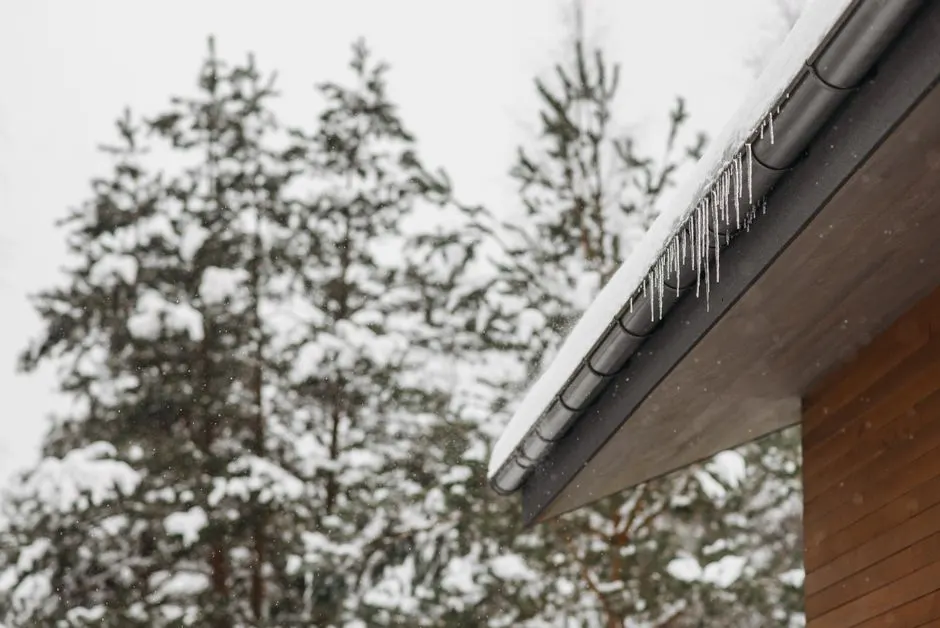
Spring snowmelt flooding in North Ogden happens when the winter snowpack melts faster than the ground and storm drains can absorb it, sending water into basements, crawl spaces, and foundations. The fix is a mix of yard grading, gutter maintenance, sump pump checks, and knowing when to call for professional Water Damage Restoration. This guide walks you through the causes, a room-by-room prep plan, and the mistakes that turn a wet floor into a $10,000 repair.
North Ogden sits at the base of the Ben Lomond range, and that geography matters. Snow accumulates on the slopes and in your yard all winter, then a warm rain in March or April can melt it in a matter of days. The water has to go somewhere. If your property isn't ready, it goes into your house.
What causes spring snowmelt flooding in North Ogden UT?
Spring snowmelt flooding in North Ogden UT is caused by rapid snowmelt combined with frozen or saturated ground, which forces water to run off the surface instead of soaking in. Three conditions make it worse: a deep snowpack, a sudden warm spell, and soil that's still frozen two feet down.
When the ground is frozen, it acts like concrete. Meltwater can't percolate, so it sheets across lawns and driveways. If your yard slopes toward the house - which is common on the east bench neighborhoods - that water pools against the foundation. From there, it finds every crack, window well, and sewer cleanout.
North Ogden also has a lot of older homes with clay tile sewer lines. Those lines crack and root-intrude over time. When snowmelt saturates the soil, groundwater infiltrates the sewer system, and that extra volume can back up into your basement floor drain. We see this every spring in the neighborhoods around Water Damage Restoration in Downtown North Ogden, where the housing stock dates back to the 1950s and 60s.
One more factor: roof snow. A typical North Ogden winter drops 60 to 90 inches of snow. Your roof holds some of that. When it melts, the gutters and downspouts have to carry hundreds of gallons. If they're clogged with leaves or ice dams, water pours down the siding and pools at the foundation.
How North Ogden homeowners can prepare for spring snowmelt flooding
Start in late February or early March, before the first big melt. The goal is to give meltwater a clear path away from your house. Here's the sequence we recommend to every homeowner we work with.
1. Clear gutters and downspouts
If you do nothing else, do this. Clogged gutters are the number one cause of snowmelt water in basements. Use a ladder and gloves to pull out leaves, twigs, and ice. Then run water from a hose to confirm the downspouts flow freely. Extend downspouts at least 6 feet from the foundation - 10 feet is better on the east bench where slopes are steep.
2. Check your sump pump
Pour a bucket of water into the sump pit. The pump should kick on within a few seconds and drain the pit completely. If it hums but doesn't move water, the impeller is jammed or the check valve is stuck. Replace the pump every 7 to 10 years. A new 1/3-horsepower submersible pump runs $150 to $300 in 2026, which is cheap compared to a flooded basement.
3. Test your backwater valve
If your home has a backwater valve on the sewer line, open the access cover and make sure the flapper moves freely. Debris and grease can jam it open, which defeats the purpose. If you don't have one, a licensed plumber can install one for $800 to $1,500. It's the single best defense against sewer backup during snowmelt.
4. Grade your yard away from the foundation
Walk your property and look for low spots against the house. You want at least a 6-inch drop over the first 10 feet. Add topsoil and tamp it down. Don't pile mulch or soil above the siding - that creates a termite bridge and hides foundation cracks.
5. Inspect window wells and foundation cracks
Window wells fill with snow, leaves, and ice. Clean them out and make sure the drain at the bottom isn't clogged. If you see horizontal cracks in the foundation, call a structural engineer. Vertical hairline cracks are usually cosmetic, but any crack wider than 1/8 inch should be sealed with hydraulic cement or polyurethane injection.
Snowmelt flood prevention North Ogden: yard and foundation checklist
Use this checklist each March. It takes about two hours and can save you thousands.
- Roof: Remove snow from the first 3 feet of the eaves if you can do it safely. Check for ice dams. Clear any roof drains.
- Gutters: Scoop out debris. Flush with a hose. Tighten loose hangers.
- Downspouts: Confirm they discharge 6-10 feet from the foundation. Add splash blocks.
- Yard: Fill low spots. Create a swale if your neighbor's runoff crosses your property.
- Foundation: Seal cracks. Repair failing parging. Check window well drains.
- Sump pump: Test it. Clean the pit. Install a battery backup if you don't have one.
- Sewer: Test the backwater valve. Consider a camera inspection if your home is older than 40 years.
- Basement: Move stored items off the floor. Elevate electronics and important documents.
If you live in a low-lying area or near the foothills, you may also want to install a French drain or curtain drain on the uphill side of your foundation. That's a bigger project - $2,000 to $6,000 - but it redirects groundwater before it ever reaches your basement. We install these as part of our water damage mitigation North Ogden UT service when we see recurring seepage.
Common mistakes to avoid
The biggest mistake is waiting until water is already in the basement. By then, you're dealing with soaked drywall, ruined carpet, and potential mold growth within 24 to 48 hours. Here are the others we see every spring.
- Assuming your insurance covers everything. Standard homeowners policies cover sudden and accidental water damage, but they exclude gradual seepage and surface flooding. You need a separate flood policy for that.
- Shoveling snow against the foundation. That just piles meltwater exactly where you don't want it. Move it at least 5 feet away.
- Ignoring a wet spot. A small damp patch on the basement floor can mean a cracked floor drain or a failing sump pump. Fix it before the spring melt.
- Running a dehumidifier without a drain line. It'll fill up and shut off. Run a hose to a floor drain or sump pit.
- Not testing your sump pump under load. A pump that runs fine in a bucket may fail when it has to move 2,000 gallons an hour.
If you do end up with water, don't wait. Mold can start growing on wet drywall in as little as 24 hours. Our mold remediation after water damage North Ogden UT team handles the cleanup and the air quality testing so you know it's safe.
When to call a professional
Call a professional when water is deeper than an inch, when it's contaminated (sewage backup), or when you can't find the source. Standing water in a finished basement needs industrial extraction and drying equipment - a shop vac and a fan won't cut it.
We handle everything from emergency water removal North Ogden UT to full reconstruction. Our technicians are available 24/7 during spring melt season. If you're not sure whether you need help, call us anyway. We'll tell you straight.
For homes in the foothills and older neighborhoods, we also offer basement flood cleanup North Ogden UT with same-day response. We extract the water, dry the space, and treat for mold - all in one visit.
Frequently Asked Questions
How can North Ogden homeowners prepare for spring snowmelt flooding?
Clear gutters and downspouts, test your sump pump, grade your yard away from the foundation, and seal foundation cracks. Do this by early March. If you have a backwater valve, test it. These steps take two hours and prevent most snowmelt flooding.
What causes spring snowmelt flooding in North Ogden UT?
Rapid snowmelt on frozen ground. When the soil is still frozen, meltwater can't soak in, so it runs off and pools against foundations. North Ogden's 60-90 inch snowpack and clay soils make this worse. Sewer backups happen when groundwater infiltrates cracked lines.
Does homeowners insurance cover snowmelt flooding in North Ogden Utah?
It depends on the source. Sudden burst pipe or sump pump failure is usually covered. Surface water flooding - when meltwater runs across the ground and enters your home - is excluded. You need a separate NFIP or private flood policy for that. Check your deductible; it's often $1,000-$2,500 for water claims.
How to prevent snowmelt water damage in North Ogden?
Extend downspouts 6-10 feet from the foundation, install a backwater valve, and keep your sump pump in working order. Move snow away from the house in late winter. If you see seepage, call a pro immediately - mold grows in 24-48 hours.
How much does snowmelt flood cleanup cost in North Ogden?
Typical 2026 pricing for a flooded basement runs $2,500 to $7,500, depending on square footage and contamination level. Sewage backups cost more. Most homeowners insurance covers sudden water damage, so file a claim before you pay out of pocket.
Get help with Water Damage Restoration in North Ogden
If snowmelt is already in your basement, call Clearline Outfit at (855) 927-6272. We're local, we answer 24/7, and we'll have a crew at your door within the hour.